GeLacy | Building Bridges
12 Weeks. One Transformation. a New Legacy.
Building Bridges helps students understand how their thoughts, emotions, behaviors, habits, and self-image shape the results they experience—and gives them practical tools to create a different future.
Change Starts on the Inside, Out.
Why Building Bridges?
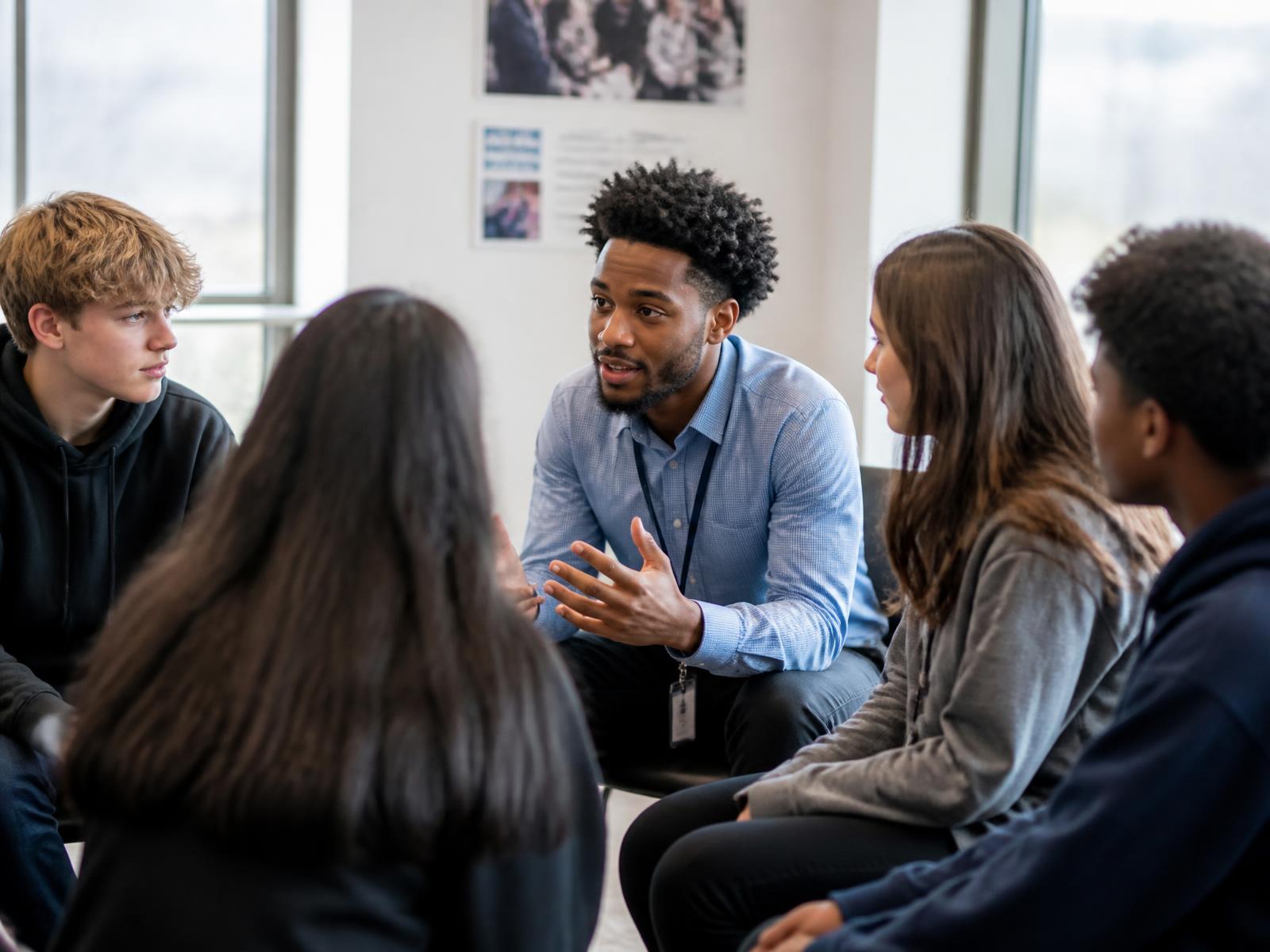
Behavior Is Often the Expression of Something Deeper.
Students don't always struggle because they don't know what to do.
Sometimes they struggle because they don't understand what's happening within them.
A behavior may be connected to:
We don't just address the behavior. We address the root.
Rather than simply telling students to "make better choices," Building Bridges helps them understand why they make the choices they make, recognize the patterns influencing those choices, and develop the tools to intentionally create new ones.
The Approach
Change Starts on the Inside, Out.
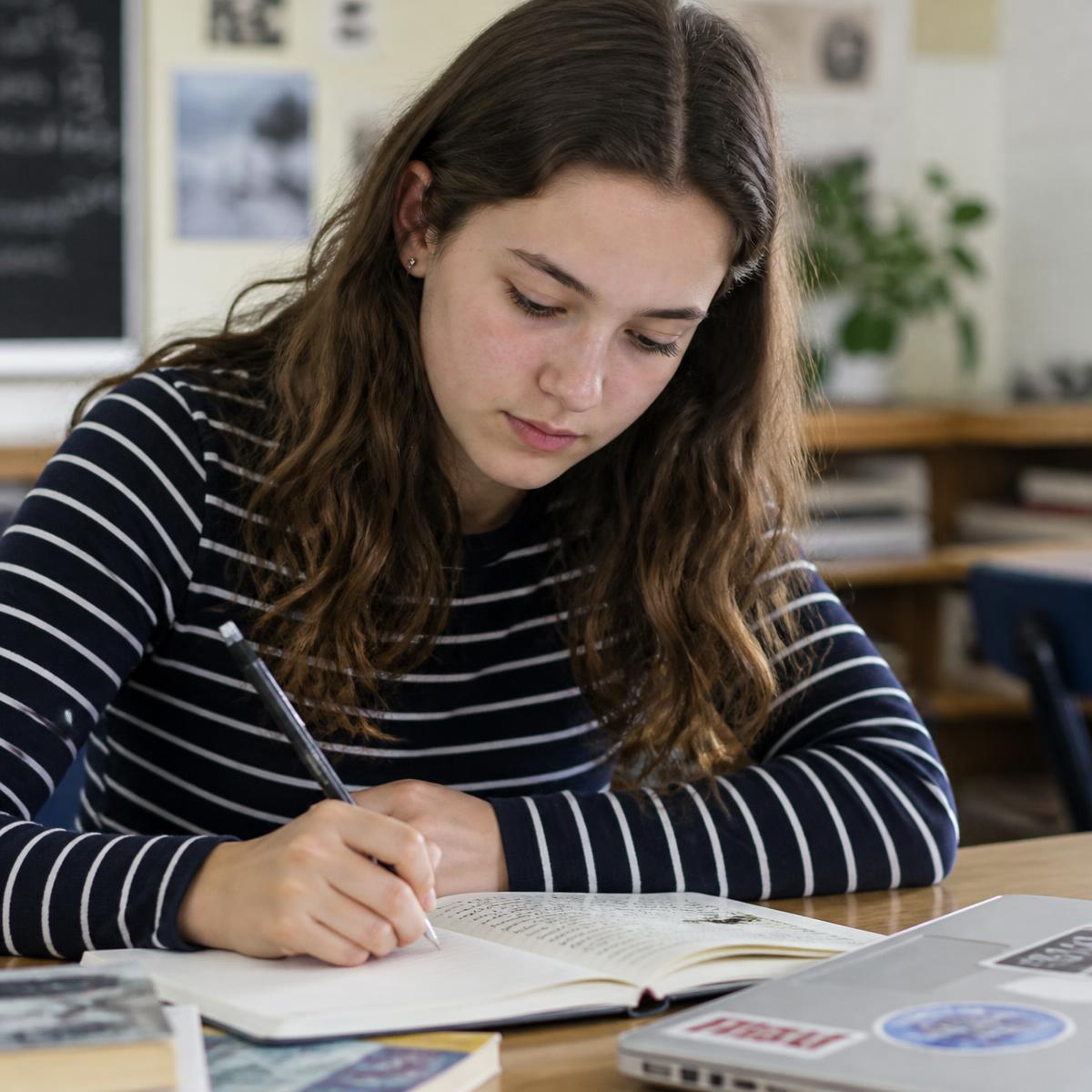
What happens on the outside is often connected to what is happening on the inside. Building Bridges helps students understand that connection and learn how to intentionally change the pattern.
The Pattern
- Self-Image
- Thoughts
- Emotions
- Actions
- Habits
- Results
The New Pathway
The goal is not simply to change what students do. The goal is to help students understand why they do what they do, develop awareness of their internal patterns, and give them practical tools to create healthier responses and behaviors.
The Foundation
Thoughts × Feelings × Actions = Results
The E³ Formula gives students a simple framework for understanding the connection between what happens internally and what happens externally.
Thoughts
What am I telling myself?
- Beliefs
- Self-talk
- Perception
- Mental patterns
Feelings
What am I experiencing internally?
- Emotions
- Triggers
- Stress
- Emotional responses
Actions
What am I doing?
- Decisions
- Behaviors
- Habits
- Responses
Results
Repeated thoughts, feelings, and actions can create repeated patterns and results. Students learn how to recognize those patterns—and how to begin changing them.
The 8 Pillars of Building Bridges
The program takes students through eight interconnected areas of personal transformation.
Understand the Mind → Emotion → Action Connection
Students discover how their thoughts and beliefs can influence their emotions, decisions, behaviors, and results.
Understand Where Their Thoughts & Emotions Come From
Students explore how experiences, beliefs, environment, relationships, conditioning, and past experiences can influence the way they see themselves and the world.
Develop Self-Awareness & Emotional Control
Students learn to recognize what is happening internally before automatically reacting externally.
Learn to Create New Thoughts & Emotional Patterns
Students learn to challenge limiting thought patterns and intentionally develop healthier ways of thinking and responding.
Change Behaviors & Break Destructive Habits
Students identify the patterns underneath behaviors and learn strategies for replacing habits that interfere with their goals.
Build a New Self-Image
Students explore how the way they see themselves can influence what they believe is possible for their lives.
Create a Vision for Their Future
Students develop a vision for their education, career, finances, relationships, lifestyle, personal growth, and future.
Give Them the Tools to Make It Real
Students leave with practical strategies they can continue using to support self-awareness, emotional regulation, decision-making, goal setting, habit formation, and personal accountability.
Who You Become Matters.
Building Bridges helps students move from:
"What's wrong with me?"
to:
"What's happening within me—and what can I do about it?"
Then Build a Future That Matches the Person You're Becoming.
The Curriculum
A 12-Week Journey From Awareness to Action
Students move through five progressive phases designed to build understanding, awareness, emotional control, behavior change, and future-focused action.
Phase I
Understand Yourself
Weeks 1–3
Identity, the mind, and self-image.
Phase II
Imagine & Believe
Weeks 4–5
Vision, possibility, desire, and belief.
Phase III
Understand & Manage Your Emotions
Weeks 6–7
The E³ Formula and emotional regulation.
Phase IV
Change the Pattern
Weeks 8–10
Choice, habits, and becoming your future self.
Phase V
Build the Future
Weeks 11–12
Turning internal change into practical action.
This Isn't Just a Classroom Lecture.
Building Bridges is designed to be interactive, reflective, practical, and personal.
Identity Mapping
Students explore who they are and how they currently see themselves.
Thought Awareness
Students identify recurring thoughts and explore where those thoughts come from.
Self-Image Exercises
Students compare their current self-image with the person they want to become.
Emotional Regulation
Students practice strategies for recognizing and managing emotional responses.
Pattern Breaking
Students identify the thoughts, emotions, and beliefs connected to behaviors they want to change.
Future Self Activities
Students define the person they want to become and the habits that person needs.
Goal Setting
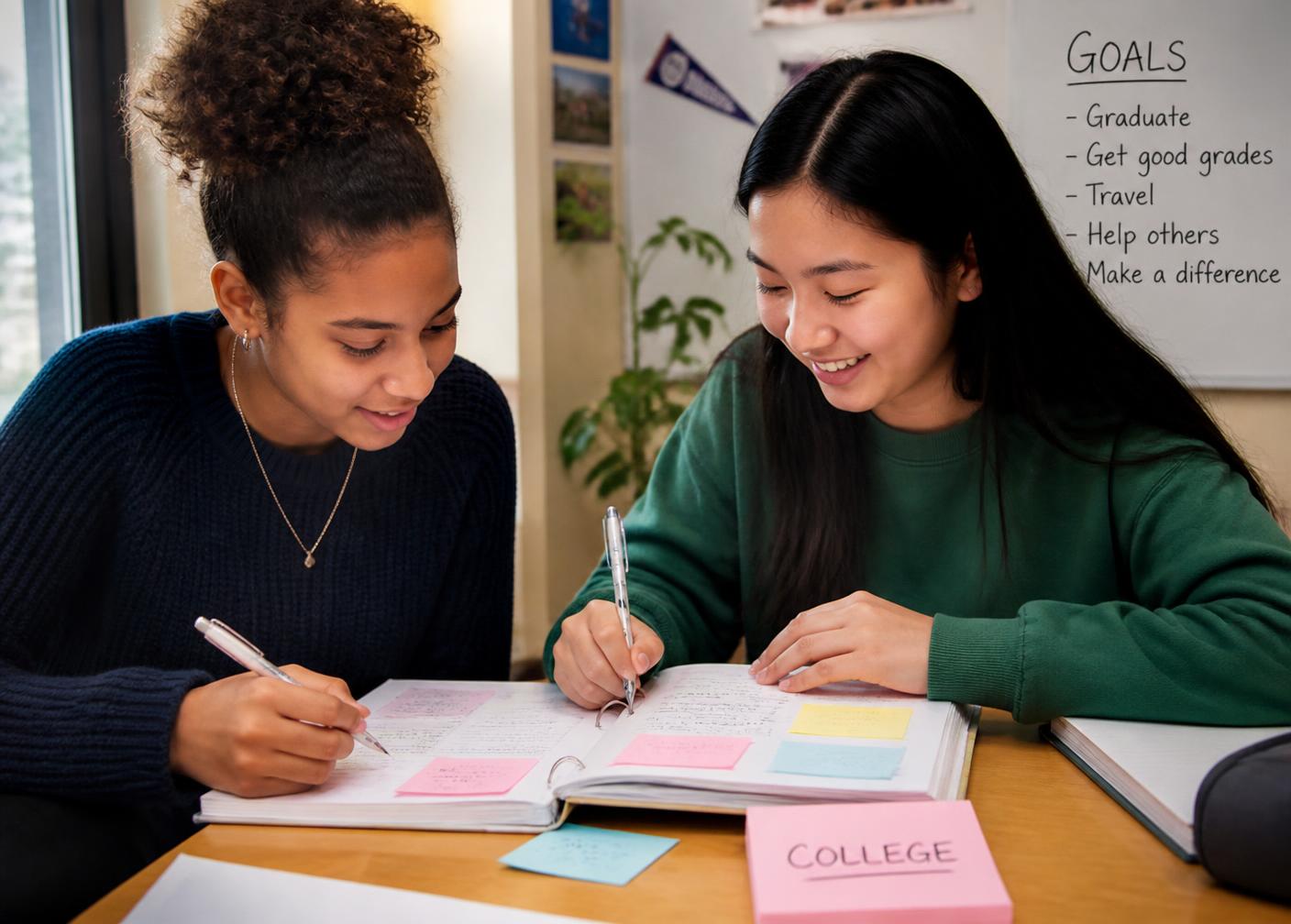
Students connect their vision to specific goals and actions.
90-Day Planning
Students leave with a practical plan for continuing their growth beyond the program.
What Students Leave With
By the conclusion of the 12-week program, students will be better equipped to:
- Understand themselves
- Recognize thought patterns
- Understand the connection between thoughts, emotions, and actions
- Identify emotional triggers
- Develop emotional regulation strategies
- Challenge limiting beliefs
- Make more intentional choices
- Identify unhealthy behavioral patterns
- Develop healthier habits
- Build a stronger self-image
- Create a vision for their future
- Connect their identity to their goals
- Develop a 90-day action plan
- Take greater ownership of their decisions and direction
Student Transformation
Our Impact
We've Seen the Difference It Can Make.
Building Bridges has already been implemented with students in a school-based pilot environment.
0%
of students demonstrated improved emotional well-being.
0%
of students demonstrated reduced depression/anxiety symptoms based on the pilot's YIPS measure.
0%
of students demonstrated an increased sense of peace/control based on the Peace Index.
0%
increase in life satisfaction at the midpoint of the pilot.
Pilot results reflect outcomes observed during the Building Bridges school-based pilot and should not be interpreted as guaranteed outcomes for future participants.
A Program Designed to Complement the Work Schools Are Already Doing.
Schools are already working every day to support students academically, socially, emotionally, and personally. Building Bridges provides an additional framework that helps students understand the internal patterns that can influence their decisions, behaviors, relationships, and future direction.
Student Development
Build self-awareness, emotional awareness, identity, and personal responsibility.
Future Readiness
Help students connect their identity, habits, goals, education, and career aspirations.
Practical Tools
Provide strategies students can apply beyond the classroom.
School Partnership
Work alongside educators and school leaders to support student development within the school's existing environment.
For School Leaders
What Does Implementation Look Like?
12 Weeks
A structured 12-week student transformation experience.
Student-Centered
Designed for high-school students and adaptable to the school's student population and environment.
Interactive
Lessons include reflection, discussion, activities, exercises, visualization, planning, and practical application.
Measurable
Student development can be evaluated through appropriate pre/post and program-specific measures.
Collaborative
GeLacy works with school leadership to determine the most appropriate implementation structure.
Built for Students. Designed With Schools in Mind.
Building Bridges is designed primarily for students in grades 9–12 and can be implemented in partnership with schools, districts, youth-serving organizations, and community partners.
The program is especially suited for students who would benefit from developing:
Don't Just Tell Students What To Do.
Teach Them to Understand Why They Do It.
And give them the tools to change it.
Change starts on the inside, out.
Bring Building Bridges to Your School.
Your students don't need another program that simply tells them what to do.
They need tools to understand themselves, understand their minds and emotions, make intentional choices, develop healthier habits, build a stronger self-image, and create a future they can believe in.
Building Bridges helps students begin that transformation from the inside, out.